
Table of Contents
Discover how Māori history, French and British settlement, historic architecture and a remarkable harbour landscape have shaped the distinctive character of Akaroa.
Akaroa is more than a picturesque seaside town. Its streets, historic cottages, gardens, public spaces and surrounding hills tell a story of settlement, cultural encounters, maritime activity and generations of change.
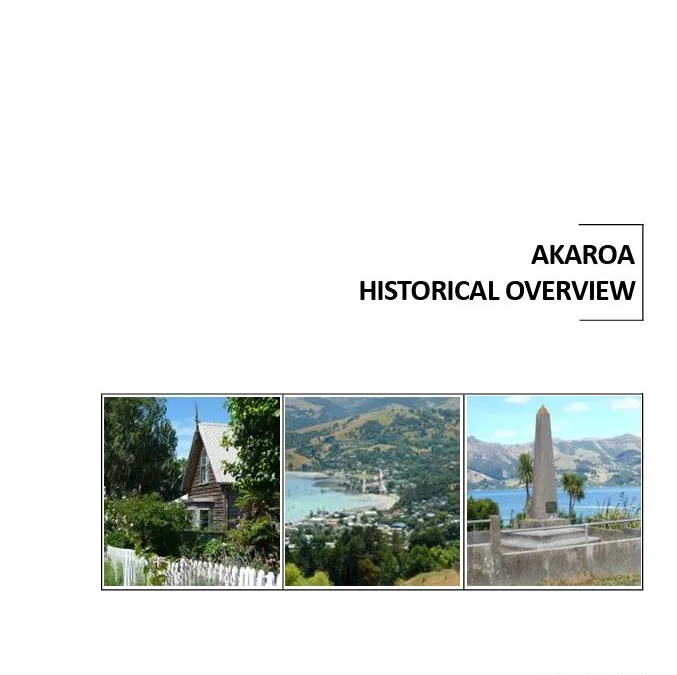
The Christchurch City Council report, Akaroa Historical Overview, examines the historical development of the town’s built environment, gardens, open spaces, streetscapes and wider landscape. Rather than providing a complete history of Akaroa, the report focuses on the physical evidence that remains today and how it reflects the different periods and activities that shaped the town.
It offers a valuable perspective on why Akaroa looks the way it does, why its heritage is significant, and why protecting the relationship between its buildings and landscape matters for future generations.
A town shaped by its history and landscape
Akaroa occupies a distinctive setting beside the harbour, surrounded by steep hills and a landscape shaped by volcanic activity. Its character comes not only from individual historic buildings, but also from the relationship between the town, its gardens, streets, open spaces and natural environment.
The report identifies Akaroa as a place of particular historical and architectural interest. The survival of numerous nineteenth-century buildings gives the town a distinctive character compared with other New Zealand settlements of a similar size.
This heritage is not confined to a handful of landmark buildings. It can be seen throughout the town in its street patterns, building styles, gardens, traditional boundaries and the way development sits within the surrounding landscape.
The result is a town where the past remains visible in everyday life.
A deeper history: Māori connections to the Peninsula
Any understanding of Akaroa’s history needs to recognise the much longer history of Māori settlement and connection to Te Pātaka o Rākaihautū, the traditional name for Banks Peninsula.
Māori communities established settlements across the Peninsula and maintained relationships with its bays, waterways, coastal resources and surrounding regions. These connections include whakapapa, customary practices, occupation, food gathering and the cultural significance of particular places.
The history of the Peninsula also includes conflict, displacement and the loss of land during the period of European expansion. These experiences are important to understanding how the region developed and how its history is remembered today.
The physical landscape holds evidence of multiple histories, not all of which are represented by the surviving European buildings that are most visible in the town centre.
Recognising this broader context is essential to an inclusive understanding of Akaroa’s heritage.
French settlement and the development of Akaroa
Akaroa occupies a distinctive place in New Zealand’s colonial history because it became the principal settlement associated with an organised French colonisation venture.
French and German settlers arrived aboard the Comte de Paris in August 1840. Their arrival followed earlier plans to establish a French colony in the region. British authorities had sent HMS Britomart to assert British sovereignty, and the British flag was raised at Akaroa shortly before the settlers arrived.
The subsequent development of Akaroa reflected the presence of French, British and German settlers, alongside the continuing presence and history of Māori communities.
French influence remains visible in the town’s street names, place names and public identity. Names such as Rue Lavaud and Rue Balguerie are reminders of this early colonial history.
However, the historical overview makes an important distinction: although Akaroa is strongly associated with French settlement, much of its surviving nineteenth- and early twentieth-century architecture reflects British colonial vernacular traditions rather than French architectural design.
This distinction helps explain why Akaroa’s heritage is more complex than its French identity alone might suggest.
The buildings that tell the story
One of the most remarkable features of Akaroa is the number of historic buildings that have survived from its earlier development.
While some buildings date from the 1840s to the 1860s, many of the structures that now define the town’s historic streetscapes were built between the 1870s and the early twentieth century.
This period reflected Akaroa’s changing economic role. The town developed as a service centre for surrounding rural communities and maritime activities, with buildings associated with shipping, commerce, public services and everyday domestic life.
Historic structures provide evidence of how people lived, worked and traded. Their scale, materials, orientation and architectural details can reveal changes in prosperity, technology, building practices and community needs.
The importance of these buildings therefore extends beyond their appearance. Together, they provide a record of the town’s social and economic development.
Gardens, orchards and open spaces
Akaroa’s heritage is not limited to buildings. Gardens, orchards and public open spaces have also contributed to its character since the nineteenth century.
The historical overview emphasises that the town’s identity depends on its wider setting as much as on its architecture. Green spaces, mature trees, gardens and the surrounding hills soften the built environment and reinforce the relationship between the town and its landscape.
These elements help create the intimate scale and distinctive atmosphere that residents and visitors associate with Akaroa.
They are also vulnerable to gradual change. The removal of mature trees, the loss of gardens, inappropriate additions to historic properties or development that disregards the surrounding landscape can affect the overall character of a place even when individual heritage buildings remain intact.
Protecting Akaroa’s heritage therefore requires attention to the spaces between buildings as well as the buildings themselves.
Why heritage protection matters
Akaroa’s historic character is an important part of its identity and its appeal as a place to live, work and visit. Heritage contributes to the town’s sense of continuity, connects people with earlier generations and provides a tangible record of local history.
It also has economic and cultural value. Historic buildings and distinctive streetscapes help differentiate Akaroa from other destinations, supporting heritage tourism and encouraging visitors to engage with the town beyond its harbour views.
However, heritage protection is not simply about preserving buildings unchanged. Communities must also consider how historic places can remain useful, accessible and resilient while accommodating contemporary needs.
The challenge is to manage change carefully so that new development respects the qualities that make Akaroa distinctive without preventing the town from evolving.
The role of planning and design
The historical overview provides an important foundation for planning decisions because it helps identify the physical features that contribute to Akaroa’s character.
Understanding the historical development of the town can inform decisions about building alterations, new construction, landscaping, streetscape improvements and the treatment of public spaces.
Good heritage planning considers the cumulative effects of change. A single alteration may appear minor, but repeated changes to building scale, materials, gardens or street frontage can gradually erode the character of an historic area.
Conversely, thoughtful restoration, appropriate adaptive reuse and well-designed new development can support both conservation and the ongoing vitality of the town.
The objective is not to turn Akaroa into a museum. It is to ensure that its history remains legible and valued as the community moves forward.
Why It Matters
Akaroa’s heritage is one of its most valuable shared assets. Its historic buildings, gardens, streets and landscape provide a physical connection to the people, activities and events that have shaped the town.
For residents, this heritage contributes to local identity and a sense of belonging. For businesses, it helps sustain the distinctive character that attracts visitors. For future generations, it preserves evidence of the town’s development and the different communities whose histories are connected to the Peninsula.
Protecting this heritage requires more than listing significant buildings. It calls for a broader understanding of how architecture, landscape, public spaces and cultural history work together to create a distinctive place.
The Christchurch City Council’s Akaroa Historical Overview provides a useful basis for that understanding. By recognising the significance of both individual buildings and the wider townscape, the community can make better-informed decisions about conservation, development and the future of Akaroa.
Ultimately, protecting Akaroa’s heritage is about safeguarding a shared legacy while ensuring that future generations can continue to experience, understand and value the distinctive character of the town.
Discover the report
The full report provides a more detailed account of the historical development of Akaroa’s built environment, gardens, public spaces and streetscapes.
Read the Christchurch City Council report: Akaroa Historical Overview, Part 1 (PDF)
Understanding the past is an important step towards caring for Akaroa’s future. By recognising the stories embedded in its buildings and landscape, the community can help ensure that the town’s distinctive character remains part of its living heritage.