
Table of Contents
Overveiw
As sea levels continue to rise, communities around Whakaraupō Lyttelton Harbour and Koukourarata Port Levy are proactively planning to address the impending challenges. Over the past 15 years, local sea levels have increased by more than 10 centimetres, with projections indicating a further rise of 14 to 23 centimetres by 2050, and between 38 centimetres and 1 metre by 2100. These changes will significantly impact our coastal and low-lying inland areas, affecting daily life, infrastructure, and the environment.
In response, the Christchurch City Council has collaborated with a Coastal Panel comprising community and rūnanga representatives to develop adaptation pathways for public assets at risk. The focus is on six priority locations: Rāpaki, Allandale, Teddington, southern Te Wharau Charteris Bay, Purau, and Koukourarata Port Levy. The draft plan outlines strategies to manage vulnerable public assets, such as roads, wharves, and water supply pipes, over the next century. Each asset has a proposed adaptation pathway, detailing how it can be managed over time, along with the associated costs.
Community engagement
Community engagement has been integral to this process. Feedback from residents has shaped the development of these pathways, ensuring that local values and knowledge are central to decision-making. The Coastal Panel has considered various options to address the risks posed by coastal hazards, aiming to balance the needs and values of the community with practical solutions.
submissions from Lyttelton Harbour and Port Levy reflected a diverse range of perspectives on the Draft Adaptation Plan. Community members, local organisations, and other stakeholders provided feedback on various aspects of the plan, highlighting key concerns and priorities.
Draft Plan Presentation
Key Themes from the submissions:
1. Protection vs. managed retreat
- Some residents advocated for stronger protection measures, such as seawalls and flood defences, to safeguard critical infrastructure and community assets.
- Others supported a more proactive approach, such as managed retreat, particularly in areas where long-term protection may not be viable.
2. Infrastructure and accessibility
- Concerns were raised about the impact of rising sea levels on road access, particularly in vulnerable areas such as Governors Bay to Allandale, Teddington, and Wharf Road in Port Levy.
- Some submitters requested further investment in raising or relocating key roads to maintain connectivity and emergency access.
3. Environmental and cultural considerations
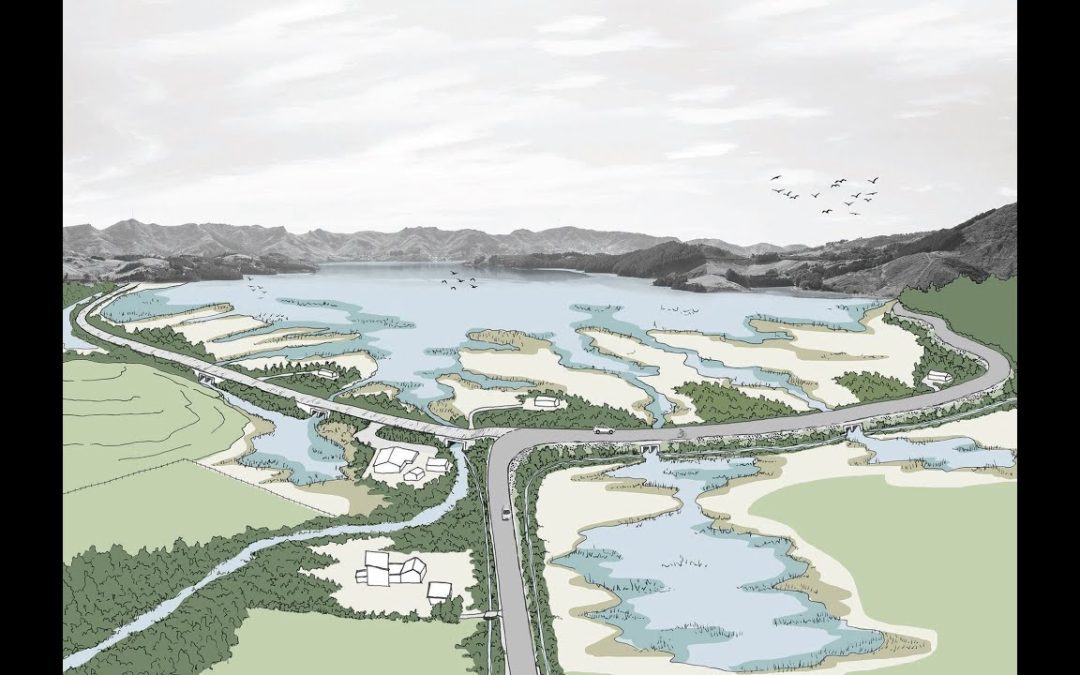
- Some submissions highlighted the importance of protecting the ecological integrity of the harbour, advocating for nature-based solutions such as wetland restoration and dune stabilisation.
- Rūnanga representatives and community groups emphasised the need to integrate Te Ao Māori perspectives, ensuring that adaptation strategies align with kaitiakitanga (guardianship) principles.
4. Cost and funding concerns
- Submitters expressed concerns about the financial burden of implementing adaptation pathways and sought clarification on funding sources.
- Some questioned whether central government should play a larger role in financing adaptation efforts, rather than placing the costs solely on local ratepayers.
5. Community engagement and decision-making
- Many residents appreciated the opportunity to contribute to the adaptation planning process but called for ongoing dialogue and transparency in decision-making.
- There were requests for more detailed information on the decision criteria used to select preferred pathways.
Banks Peninsula Community Board Sumbision
*Some corrections to note: cost of fire referred in the presentaiton is of Port Hills fire not Pory Levy fire. Sealevel rise is in cm not mm.
Next steps
Following the review of submissions, the Christchurch City Council considered amendments to the Draft Adaptation Plan. Key changes included additional protection measures for specific areas and alternative options for road management. The final decision was made at the Council meeting on 31 January 2025, where staff recommendations and public feedback were taken into account.
The adaptation plan is a crucial step in ensuring that the Lyttelton Harbour and Port Levy communities are prepared for future coastal challenges. By incorporating local knowledge and diverse perspectives, the final plan aims to balance resilience, sustainability, and cultural values.
For more details on the plan and community feedback, visit this LINK.