
Table of Contents
As both your local elected representative from Banks Peninsula and the Chief Fire Officer for the Banks Peninsula Volunteer Fire Brigade, I have been strongly advocating for an Early Fire Detection Network across the entire Banks Peninsula—not just at a single site.
The Importance of Fire Detection for Banks Peninsula
As of 2025, approximately 20% of Banks Peninsula is covered in regenerating native vegetation. This is a significant increase from the 1920s when indigenous forest had been reduced to only 1% of the peninsula’s area. Despite this steady recovery over the past century, the current forest cover is still far below the original estimates, which suggest that native forest once covered 98% of Banks Peninsula before human settlement.
This increase in native vegetation brings ecological benefits but also heightens the risk of wildfire. With climate change intensifying extreme weather events, early fire detection is crucial in safeguarding our communities and natural environment.
Smart Technology for Early Fire Detection
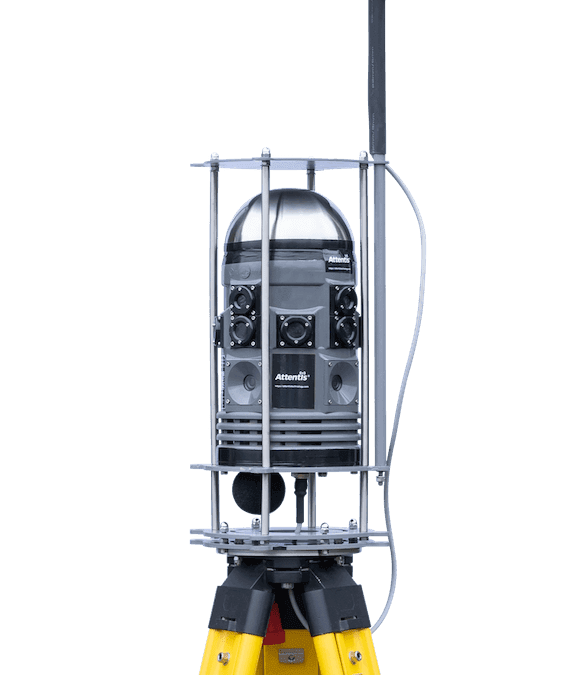
To mitigate fire risks, Christchurch City Council, in collaboration with Fire and Emergency New Zealand (FENZ) and technology partner Attentis, has deployed four new self-powered fire detection sensors across the Port Hills. These have been installed at:
- Worsley’s Road
- Sign of the Kiwi
- Sugarloaf
- Bridle Path
These sensors add to the existing network, which includes units at Christchurch Adventure Park, Naval Point in Lyttelton, and Waitākiri Bottle Lake Forest Park. In total, there are now 15 sensors strategically positioned to monitor and detect early signs of fire.
Using advanced technology, these sensors gather real-time data on air pollution, smoke, wind speed and direction, as well as visual and thermal imaging to identify potential fires at an early stage. According to Smart Christchurch Manager Michael Healey, these sensors provide instant notifications to emergency services and Council staff, significantly improving response times and reducing the risk of large-scale fire outbreaks.
Community Risk Manager for Fire and Emergency New Zealand, Dean Harker, describes the fire detection network as a “great tool in the toolbox,” providing near real-time information that helps to mitigate the impact of fires on the community. During the 2024 Port Hills fire, the network played a crucial role in assisting firefighters during the active firefighting phase, the mop-up process, and post-event investigations.
Christchurch City Council Newsline.
Expanding the Network for Greater Protection
While this existing network is a significant step forward, further expansion is needed, particularly in areas such as Akaroa and the bays, where major reserves like Hinewai Reserve are located. Expanding the network in these areas will enhance fire detection coverage, increase vigilance, and provide more data to help with early detection and rapid response efforts.
Past emergency events have given us opportunities to learn, upgrade, and innovate. This fire detection network is another example of that continuous improvement process in action. By working with our partners to expand this system, we are actively strengthening safeguards to better protect our communities and our regenerating natural landscapes for future generations.
Watch the live data feed from existing detectors
How You Can Help
To ensure the continued growth of this critical fire detection network, community support is essential. You can help by:
- Sending letters or emails of support to myself or your local councillors.
- Requesting the allocation of funding for additional fire detectors in the upcoming Christchurch City Council annual plan.
Technology like this can help us become an intelligence-led service and better prepare our community for emergencies. Additionally, data captured by the network is freely available to the public and can be accessed online to assist with planning trips and making informed everyday decisions.
To learn more about this initiative, watch the presentation to the Community Board below:
For further information or to support this initiative, feel free to get in touch.
Let’s work together to protect our communities and natural environment from the risk of wildfire.