
Table of Contents
Introduction
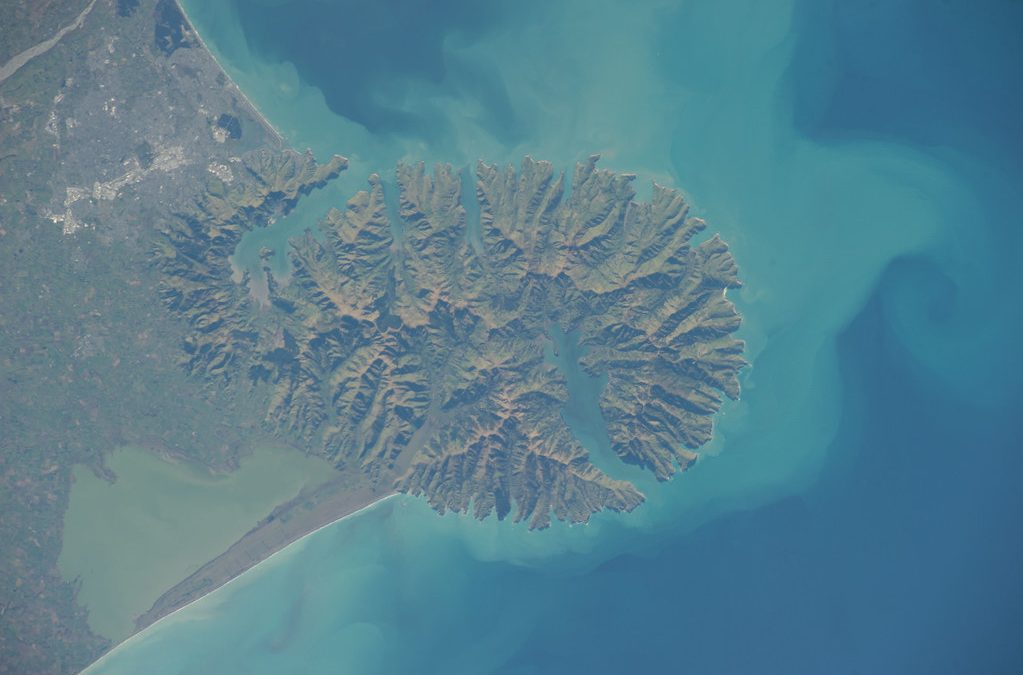
The idea of establishing Banks Peninsula, or parts of it, as a Dark Sky Reserve has been gaining momentum, with discussions involving various stakeholders, including MP for Banks Peinsula, Dr Vanessa Weenick. While this proposal has exciting potential for tourism, environmental conservation, and cultural enrichment, it requires significant discussion and planning. I encourage you to read this article to understand the global perspective and lessons learned on Dark Sky Reserves. Earlier, I developed a Roadmap for Banks Peninsula’s Dark Sky Reserve, outlining the timeline.
Before moving forward, key questions across governance, environmental impact, cultural considerations, economic opportunities, infrastructure, and education need to be addressed.
Why consider a dark sky reserve for Banks Peninsula?
Dark Sky Reserves are designated areas that minimise light pollution to preserve pristine night skies. Around the world, such reserves have proven to be valuable not just for astronomy but also for tourism, wildlife conservation, and cultural heritage. Successful examples include:
• Aoraki Mackenzie International Dark Sky Reserve, New Zealand – Generates millions in astro-tourism revenue annually and supports local businesses.
• Jasper Dark Sky Preserve, Canada – Attracts visitors in the off-season, extending economic benefits year-round.
• Westhavelland Dark Sky Reserve, Germany – Integrated into local conservation and eco-tourism efforts, benefiting both biodiversity and local economies.
Critical Aspects
A Dark Sky Reserve in Banks Peninsula could offer similar benefits, but before moving forward, several critical aspects need to be considered.
1. Governance, Policy, and Community Engagement
Aligning with Tourism and Regional Strategies
While the Christchurch and Banks Peninsula Destination Management Plan (DMP’s) which emphasise on regenertive tourism, did not mention Dar Sky Reseve but it is argued that the ‘Dark Sky Reserve’ alligns with various aspects of DMPs by attracting eco-conscious visitors. Proper alignment ensures that the initiative supports broader tourism development rather than competing with existing efforts.
Engaging with Local Iwi, Community Boards, and Businesses
For the proposal to be successful, it must have buy-in from Ngāi Tahu, the Banks Peninsula Community Board, local councils, and business operators. Ngāi Tahu Tourism has long promoted sustainability and cultural tourism, indicating potential for collaboration.
Ensuring Community Voices Are Heard
The initiative must be community-led rather than imposed top-down. Public forums, surveys, and workshops should be used to gauge support and refine the proposal. Lessons from the Banks Peninsula Community Consultation show the importance of genuine engagement.
2. Environmental and Ecological Impact
Protecting Biodiversity and Marine Habitats
Banks Peninsula is home to unique native wildlife, marine reserves, and nocturnal species that benefit from reduced light pollution. A Dark Sky Reserve would help preserve these habitats, aligning with conservation efforts.
Reducing Light Pollution While Ensuring Safety
Policies must balance environmental goals with practical considerations for residents, fishermen, and farmers. For instance, Mackenzie District’s dark sky policies included exemptions for agricultural needs, ensuring safety while reducing unnecessary light.
Contribution to Climate Resilience Goals
Upgrading street lighting to dark sky-compliant LED lights reduces energy consumption and emissions, aligning with Christchurch’s climate resilience objectives.
3. Cultural and Heritage Considerations
Incorporating Māori Celestial Knowledge
Māori astronomy (Tātai Arorangi) is deeply rooted in Matariki and Maramataka (lunar calendar traditions). A Dark Sky Reserve could showcase Māori celestial navigation and storytelling, creating a unique cultural tourism experience.
Involvement of Iwi in Storytelling and Tourism Experiences
Ngāi Tahu and local cultural groups should be active partners in designing visitor experiences, ensuring authenticity and meaningful engagement.
Safeguards Against Cultural Appropriation
Clear guidelines must be in place to ensure Māori perspectives lead the initiative, preventing the commercial exploitation of indigenous knowledge.
4. Economic Development and Sustainable Tourism
Creating Business Opportunities
A Dark Sky Reserve could boost local businesses by encouraging stargazing tours, night photography workshops, and astronomy-themed accommodation. In Aoraki Mackenzie, astro-tourism is a multi-million-dollar industry. Banks Peninsula could develop a similar niche.
Aligning with Regenerative Tourism Goals
Rather than just attracting tourists, a Dark Sky Reserve should benefit local communities by reinvesting revenue into conservation and community projects.
Funding and Incentives for Compliance
• Grants from central government and tourism bodies to support infrastructure.
• Private-public partnerships to assist businesses in upgrading to dark sky-compliant lighting.
Encouraging Longer Stays and Off-Peak Tourism
A focus on night-time experiences would encourage visitors to stay overnight, benefiting local hospitality and spreading tourism beyond peak daylight hours.
5. Infrastructure, Transport, and Public Services
Investment in Lighting, Signage, and Facilities
A Dark Sky Reserve requires modifications to public lighting, investment in observatories, and clear signage. Potential funding sources include government support, eco-tourism partnerships, and community fundraising.
Access to Stargazing Locations
Key sites must be easily accessible while preserving dark sky conditions. Investment in viewing platforms, road maintenance, and eco-friendly transport options would be necessary.
Impact on Emergency Services and Public Transport
Increased night-time tourism may put pressure on emergency services and transport networks. Proper planning is essential to ensure public safety.
Equitable Access for All Communities
Dark sky experiences should be affordable and accessible, ensuring that local families and diverse visitor groups can participate.
6. Education, Research, and Community Benefits
Astronomy and Light Pollution Education
A Dark Sky Reserve could incorporate school and community programmes on astronomy, sustainability, and environmental stewardship, building local pride and awareness.
Scientific Research Opportunities
Banks Peninsula’s proximity to Christchurch, a gateway to Antarctica, presents opportunities for space and climate research collaborations, further enhancing its scientific profile.
University and Industry Partnerships
Universities, astronomers, and tourism operators could develop research projects and training programmes to build a skilled workforce in astronomy-related tourism and conservation.
Why a Bottom-Up Approach is Essential
A community-led approach is crucial for long-term success. Here’s why:
1. Community Buy-In Ensures Sustainability – Locally designed policies are more likely to be supported and maintained.
2. Cultural Authenticity and Inclusivity – Māori knowledge must be embedded from the start, not added as an afterthought.
3. Economic Benefits Stay Local – Without local involvement, external investors could dominate, limiting community benefits.
4. Environmental and Social Balance – Thoughtful planning prevents unintended consequences like over-tourism and ecological harm.
5. Adaptive and Resilient Policy Development – A flexible approach allows for continuous improvement based on community feedback.
Final Thoughts: A Vision for Banks Peninsula’s Night Sky
A Banks Peninsula Dark Sky Reserve could be a globally significant initiative, blending environmental protection, cultural heritage, and sustainable tourism. However, success depends on collaborative governance, thorough research, and strong community involvement. If done right, this initiative could provide lasting benefits for local communities, businesses, and the natural environment, making Banks Peninsula a leader in regenerative astro-tourism.
The next step? A comprehensive feasibility study and community consultation to ensure this vision aligns with local aspirations.
Would you support a Dark Sky Reserve for Banks Peninsula? Share your thoughts in the comments!
Roadmap for Dark Sky Reserve
I have developed a detailed roadmap for the introduction and exploration of Banks Peninsula as a Dark Sky Reserve an the article can be found here.
Dark Sky Reserves: A Global Perspective and Lessons Learned
A Dark Sky Reserve is a designated area—often within a national park, rural community, or nature reserve—where artificial light pollution is strictly controlled to preserve natural darkness. You can learn more about lessons learned here.