

Purple Peak Curry Reserve: A Hidden Gem of Banks Peninsula Conservation
Exploring Purple Peak Curry Reserve: A Hidden Gem of Banks Peninsula Conservation
Nestled on the ridgeline above Grehan Valley and overlooking the township of Akaroa, the Purple Peak Curry Reserve is a 190-hectare expanse of conservation land that quietly carries huge environmental, cultural and recreational significance. Managed by the Native Forest Restoration Trust (NFRT), it sits on the ridgeline of the eroded crater of the former Akaroa Volcano, and encompasses a unique mix of native forest, recovering pasture, scrubland and open tussock country.
This blog post takes a deeper look at what makes Purple Peak Curry Reserve special—its location, ecology, history, walking tracks, and the reasons why preserving it matters.
Where it is and why the setting matters
The reserve sits above Akaroa on the Banks Peninsula, wrapping over the ridgeline from the Grehan Valley into the Otanerito Valley. The topography is dramatic: the land rises from the harbour, up to the crater rim of an ancient volcano, offering sweeping vistas across the water, to the distant Southern Alps and out to the open Pacific.
Because the land includes much of the catchment for Grehan Stream—part of the water supply for Akaroa—its conservation has direct implications for water quality, landscape stability and ecological restoration.
The terrain is steep in places; it was formerly used for grazing sheep and cattle until 2015, when the animals were removed and restoration of native vegetation commenced.
Ecology and natural features
Although much of the land was cleared and grazed in earlier times, pockets of original forest survive in the reserve. These include older tōtara, mataī and kahikatea trees, and even a small stand of red beech, hinting at what the landscape once looked like.
In the regeneration areas you’ll find native species like kānuka, fuchsia, māhoe, five-finger, kōwhai, lacebark, ribbonwood, ngaio, kaikōmako, lemonwood, wineberry, pigeonwood and cabbage tree.
Significantly, one of the Peninsula’s rarer trees—raukawa—grows here, adding to the botanical importance of the site. In the high open areas, snow tussocks still hold on, providing textural contrast and habitat variety.
Animal life is rich too. Native birds such as tūī, bellbird, tomtit, kererū, fantail, silvereye, brown creeper, rifleman and morepork are found in the reserve. Streams and pools within the reserve host native fish like eels and bullies, various insect larvae, and three species of tree fern. Also present are geckos and skinks. These all point to the value of the area as a wildlife refuge.
Of course, the reserve still grapples with introduced species and the legacy of the land’s past uses: gorse scrub remains, which, while initially a pest species, now functions in some places as a “nurse” canopy giving native seedlings a chance to establish.
Walking tracks and visitor access
For those interested in exploring, the main route into the reserve is via the Curry Track. This track links to Woodills Track, the heritage park at Long Bay Road in Akaroa, Rue Grehan and then connects into the network leading to the adjacent Hinewai Reserve. The walking experience ranges from rugged ridge-top views to forested gullies, offering a mixture of perspectives.
Important visitor notes:
-
Vehicles driving from Akaroa up Rue Grehan should be cautious—parking is very limited, the road is narrow and steep.
-
Given the steep, wild terrain, some parts may be slippery after rain. Visitors are advised to tell someone their plans and take care.
The story of the land
The land now forming the reserve was purchased by NFRT in 2015 from the Curry family, with help from Christchurch City Council and the Rod Donald Banks Peninsula Trust.
Before it was a reserve, it included rough pasture, grazing fields and stands of gorse, along with patches of regenerating native bush.
Importantly, the setting lies on the eroded crater rim of the ancient Akaroa Volcano, which erupted from about 9 million to 8 million years ago. This geological history is part of what gives the landscape its dramatic ridges and slopes.
The change from farmland and pasture back to regenerating native forest is an intentional one—recognising that the land holds value beyond agriculture, for biodiversity, catchment protection and scenic heritage
Why you might want to visit
If you’re visiting Akaroa or the Banks Peninsula, the reserve offers a less-crowded but deeply rewarding alternative to more heavily visited trails. Some of the standout experiences:
-
Panoramic views: From the ridgeline you can look out over the harbour, across to the hills and down to the open sea. The visual contrast of vegetation, topography and coastline is striking.
-
Birdwatching and wildlife: The mix of regenerating vegetation, remnants of native forest and watercourses mean there is plenty to observe—both birds and smaller fauna.
-
A taste of wilderness near town: Although close to Akaroa, the terrain feels remote and wild—once you leave the road behind, you’re immersed in nature.
-
Forest restoration in action: For those interested in ecology and conservation, the reserve is a live demonstration of native forest recovery, and the role of native/introduced species, nurse‐canopies, and restoration management.
-
Linking onto Hinewai Reserve’s network: If you’re up for a longer hike, you can continue from Curry Track into the Hinewai network, further exploring the peninsula’s wild interior.
Challenges and conservation work
While the reserve offers tremendous potential, it is also a work in progress. Some of the challenges and management tasks include:
-
Controlling invasive species: Gorse remains widespread, and though it can serve a role in regeneration, it must be managed so that it doesn’t suppress native vegetation. Also, introduced mammals such as possums, hedgehogs, stoats, rabbits and hares pose risks to native trees and fauna.
-
Erosion control and catchment health: Because the land forms part of a water catchment area, ensuring forest cover is re-established and erosion is kept in check is key.
-
Visitor access and protection: The reserve’s steep terrain creates hazards. Ensuring tracks are safe, that visitors stay on the tracks (to protect vegetation) and that parking/traffic management is practical are important.
-
Patience and time: Forest recovery takes decades. Many of the forest patches are in early or mid-stages of regeneration—so the reserve is a long-term investment in landscape and biodiversity rather than a fully mature forest.
-
Communication and interpretation: Helping visitors understand the significance of the land (geological, ecological, historical) enhances their experience and supports conservation goals.
Community connections and heritage
One of the appealing features of Purple Peak Curry Reserve is how it connects to local heritage. The land was farmed by the Curry family—settlers in the upper Grehan Valley from the 1870s. That connection to local history provides a human dimension to the landscape.
The proximity to Akaroa and the fact that the land forms part of the town’s water catchment means the reserve plays a role in the community’s wellbeing—not just for recreation but for environmental resilience, water security and local natural character.
Furthermore, the adjacency of the reserve to Hinewai Reserve means there is a broader regional network of land-managed for conservation rather than intensive agriculture or development, which contributes to the Banks Peninsula’s ecological health and the region’s reputation as a place where nature, heritage and community intersect.
Future potential and vision
Looking ahead, the reserve holds significant potential. As vegetation continues to regenerate, we can anticipate:
-
Increasing diversity of native flora and fauna as canopy closes and habitat becomes more mature.
-
Greater ecological connectivity between reserves (especially Hinewai and surrounding lands) which supports wildlife movement and ecosystem resilience.
-
Enhanced visitor experiences—through improved track access, interpretation signage, guided walks or community events—that help more people engage with the landscape in meaningful ways.
-
Stronger local pride and identity as the reserve becomes more recognised by residents and visitors alike as a special place worth protecting.
In short, Purple Peak Curry Reserve is part of a vision for a restored Banks Peninsula landscape—one where native forest thrives, nature supports people and communities, and the story of the land is told in its hills, ridges and streams.
Why it matters
So why does Purple Peak Curry Reserve truly matter? It matters because it is more than just a tract of land—it stands at the intersection of ecology, heritage, community and future potential.
-
Preserving biodiversity: The reserve protects native species, habitats and ecosystems that are increasingly under pressure elsewhere. The presence of rare tree species and regenerating native forest make it a reservoir of biodiversity.
-
Supporting water catchments: The land forms much of the catchment for Grehan Stream, contributing to Akaroa’s water supply and linking conservation actions with the practical needs of the community.
-
Demonstrating restoration: As an active recovery site, the reserve shows how land previously used for grazing can be transformed into native forest and healthy ecosystems through thoughtful management.
-
Community wellbeing and connection: It offers residents and visitors a place to reconnect with nature, reflect on heritage, enjoy outdoor recreation and feel part of something larger than themselves.
-
Cultural and historical value: The land’s history—from Māori habitation through to European settlement, grazing and now restoration—provides a layered narrative. It helps us understand how landscapes change and how people respond.
-
Future resilience: In a time of increasing environmental pressures—climate change, habitat loss, invasive species—places like Purple Peak Curry Reserve give us hope and opportunity: hope for how landscapes can recover, and opportunity to build resilience into regional ecosystems.
In essence, Purple Peak Curry Reserve is a living place of change: from pasture to forest, from grazing to restoration, from local resource to community asset. Its significance lies not just in what it is now, but in what it promises for the future—an example of how people, place and nature can come together to renew and sustain the land we share.
By visiting, supporting or simply learning about the reserve, we become part of that renewal story. The ridges and gullies of Banks Peninsula hold more than scenic value—they hold the echoes of past land uses, the exertions of nature’s renewal, and the possibilities of a restored future. Purple Peak Curry Reserve stands at the heart of that story.
More From This Category

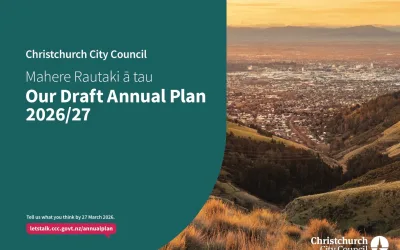
Federated Farmers of New Zealand submission – Draft Annual Plan 2026/27
https://www.youtube.com/watch?v=eIQUzjUTtEQ
Okains Bay Enhancement Society submission – Draft Annual Plan 2026/27
https://www.youtube.com/watch?v=AQZj9WOMI0A
Rod Donald Banks Peninsula Trust submission – Draft Annual Plan 2026/27
https://www.youtube.com/watch?v=63mK6MfBhNw

Akaroa Civic Trust
The Akaroa Civic Trust: Protecting the Heart of a Historic TownAkaroa Civic Trust: A Community Protecting a Place Like No Other Akaroa has always had a presence that feels different from anywhere else. Its winding streets, harbour views and historic buildings give the...

Banks Peninsula Early Learning Centre
Banks Peninsula Early Learning – A Nurturing Start for Tamariki on the PeninsulaNestled in the heart of Duvauchelle, surrounded by the sweeping hills and sparkling waters of Banks Peninsula, Banks Peninsula Early Learning (BPEL) provides a warm and nurturing place for...

Banks Peninsula Sports And Recreation
Banks Peninsula Sports and Recreation – A Community Project Bringing People TogetherBringing Sport and Play Back to the Heart of Akaroa In Akaroa, a dedicated group of locals is working to breathe new life into the town’s sports and recreation facilities. The Banks...

Akaroa Coronation Library — A Heritage Story
The Coronation Library, Akaroa — A Heritage StoryTucked away on 103 Rue Jolie, Akaroa, the Coronation Library stands as a proud witness to the town’s cultural and architectural heritage. Designated Heritage New Zealand List No. 1716, it holds a Category 2...